1. Assessment
The team inspects the cabin, finds where fluids reached and decides what can be cleaned and what must come out.
Payne Springs, TX · Henderson County
Fluids soak into foam, seams and carpet far past what the eye sees. Call (877) 812-4220 in Payne Springs for hazmat car cleaning that checks beneath the seats, removes what cannot be saved and disinfects the rest.
If anyone is in danger, call 911 first. For a suicide crisis, call or text 988.
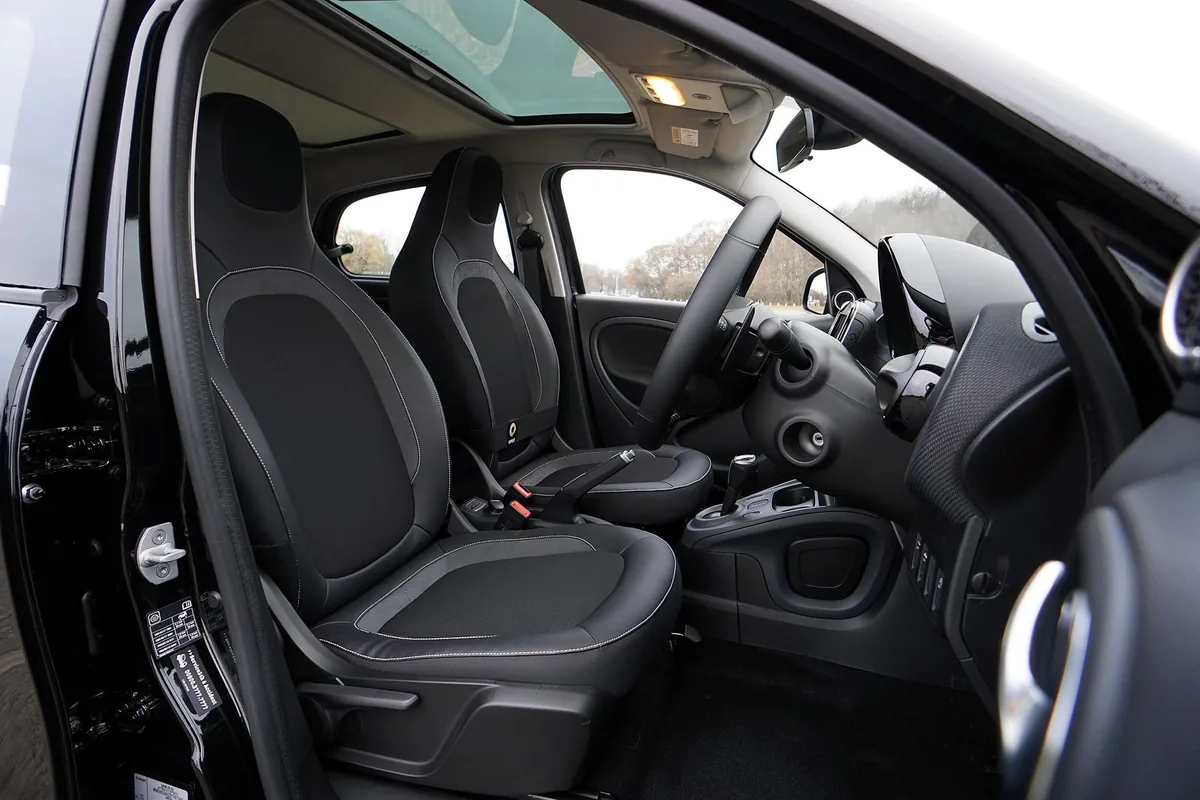
Cleaning a vehicle after a crash, a crime or a medical event means dealing with blood and other fluids that may carry bloodborne pathogens. Crews wear protective equipment and treat the cabin as a contamination zone.
Cleaners work quietly in Payne Springs and treat your vehicle with discretion when you call Payne Springs Biohazard Cleanup Help. The service covers private cars, work vehicles and fleets in Henderson County.
Tyler is a drive of about 66 minutes from Payne Springs, and cleanup crews cover the area between the two. Rain, humidity and heat in Payne Springs all work against a contaminated vehicle. The sooner the source is removed, the easier the odor is to clear.
The work often covers:
The team inspects the cabin, finds where fluids reached and decides what can be cleaned and what must come out.
Plastic sheeting and careful handling keep contamination from reaching the driveway, garage or lot.
Contaminated materials come out first. The cabin is cleaned and disinfected, and odor is treated at its source.
Odor is treated in the cabin and vents, waste leaves as regulated waste, and the interior is checked before the keys are returned.
Most vehicle biohazard cleanup jobs in Payne Springs, TX cost between $500 and $5,000, based on published cost guides.
Where the vehicle sits can change the price. Work in a garage is simpler than work in an open lot or tow yard.
| Type of job | Typical range |
|---|---|
| Vehicle biohazard cleanup | $500 - $5,000 |
Figures are planning ranges from BioCleaners Directory, not a price for any specific Payne Springs property. Price drivers include type of interior materials, how serious the event was, time since the event, air system decontamination. Call (877) 812-4220 any hour.
Yes. Waste is lifted with protection, soaked materials are removed and surfaces are disinfected. Urine travels deep into foam, so seats may need to be taken out or replaced if the smell remains.
A small spill on a hard surface can be cleaned with gloves, eye protection and an EPA-registered disinfectant. Do not do it with an open cut, and do not use the car until fluids that soaked into fabric are removed. For larger spills, call a cleanup team.
A vehicle where a death occurred is cleaned only after law enforcement or the medical examiner releases it. The team removes contaminated materials, disinfects and treats odor, which can settle into seats, headliner and vents.
Cleaners follow rules designed to protect workers and the public from bloodborne pathogens, including the OSHA Bloodborne Pathogens Standard, 29 CFR 1910.1030. They wear PPE and use EPA-registered disinfectants.
A biohazard vehicle is a car, truck, van or bus that has been contaminated by blood, body fluids, waste or decomposition. Because these materials can carry infectious germs, the vehicle needs decontamination, not just a wash.
Yes. A regular detail cleans dirt and stains with household products. Biohazard car detailing starts with decontamination, then moves to restoring the finish. Skipping the first step leaves germs and odor behind.
Call (877) 812-4220 any hour for vehicle biohazard cleanup.
Call (877) 812-4220